

Mohs Skin Cancer Reconstruction

Mohs Skin Cancer Reconstruction In Berkeley, CA

Expert Care for Complex Reconstruction

Expert Mohs Skin Cancer Reconstruction In Berkeley, CA

For many patients, the hardest part of skin cancer treatment is not the diagnosis itself, but rather looking in the mirror afterward. Mohs surgery is highly effective at removing skin cancer while preserving healthy tissue, but it can leave behind wounds that affect facial appearance, facial function, or both. Mohs skin cancer reconstruction focuses on restoring what was removed while helping the treated area blend naturally with surrounding features.

At Redwood Facial Plastic Surgery, Mohs reconstruction is available for patients in the East Bay and San Francisco area seeking restoration after skin cancer removal involving the nose, ears, cheeks, lips, forehead, eyelids, and other facial structures. Reconstruction may involve advanced closure techniques, local tissue rearrangement, cartilage grafting, or more complex repairs, depending on the size and location of the defect.

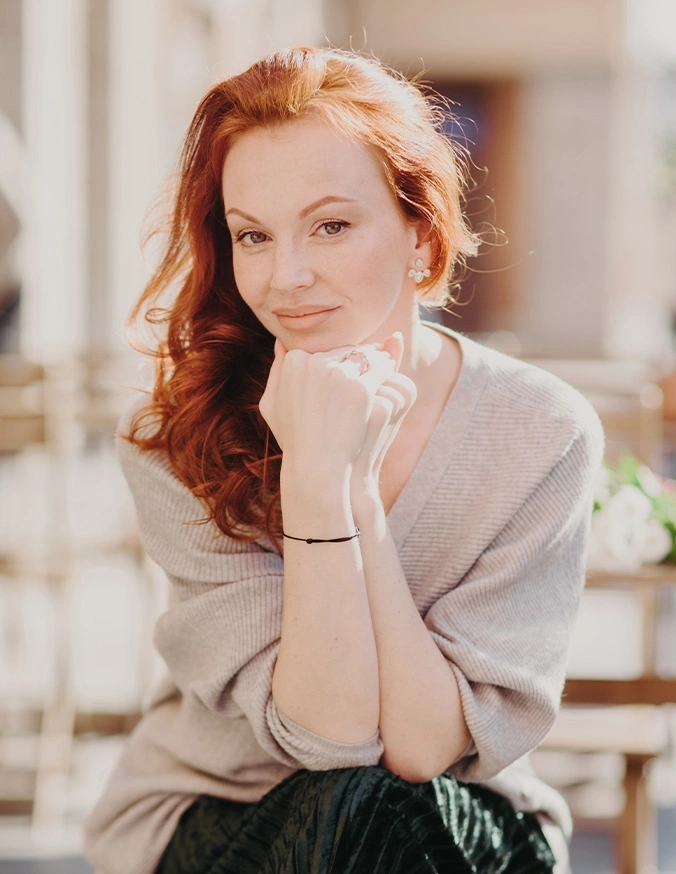
Red-haired woman in beige sweater with hands clasped near face, soft natural lighting portrait

What is Mohs Skin Cancer Reconstruction?

Mohs skin cancer reconstruction is a specialized surgical procedure performed after Mohs surgery has successfully removed skin cancer. Once the cancer has been eliminated, reconstruction addresses the resulting defect using techniques to restore appearance, protect function, and support long-term healing.

The face presents unique reconstructive challenges because even small defects can affect highly visible and functionally important areas. Reconstruction often requires consideration of facial movement, eyelid position, breathing, speech, and natural facial contours. The goal is not simply to close a wound but to rebuild the area thoughtfully and strategically.

Rustic brown wood grain texture with natural knots and weathered finish for flooring or paneling

Combining My Mohs Skin Cancer Reconstruction with Other Procedures

Skin cancer does not always affect a single facial structure. Depending on the location and extent of the defect, reconstruction may involve techniques that overlap with other specialized reconstructive procedures. Addressing multiple concerns during a coordinated treatment plan can help optimize both appearance and function.

The nose is one of the most common sites treated with Mohs surgery. Reconstruction of nasal defects often requires careful attention to contour, breathing support, skin quality, and structural integrity. Combining Mohs reconstruction with nasal reconstruction techniques can help restore both appearance and function.

Who Are the Best Candidates for Mohs Skin Cancer Reconstruction?

Many patients arrive for reconstruction immediately after receiving news that their skin cancer has been successfully removed. While relief is often the dominant emotion, questions about appearance and healing frequently follow. Reconstruction is intended for patients who wish to restore the treated area while protecting facial function and achieving the most natural result possible.

Candidacy depends on the location and size of the Mohs defect, overall health, healing capacity, and reconstructive goals. Some patients require straightforward repairs, while others benefit from more advanced techniques involving tissue movement or grafting.

If you’re around the San Francisco Bay Area, you may be a candidate if you:

  • Have recently undergone Mohs surgery for skin cancer removal
  • Have a facial defect involving the nose, ears, lips, cheeks, eyelids, or forehead
  • Want to optimize both cosmetic and functional outcomes
  • Require reconstruction involving local tissue flaps or grafts
  • Are healthy enough to undergo a surgical procedure
  • Desire specialized facial reconstructive care following cancer treatment

What Are the Benefits of Mohs Skin Cancer Reconstruction?

The removal of skin cancer marks an important milestone, but reconstruction plays a significant role in helping patients move forward with confidence. Modern reconstructive techniques can restore facial structures while minimizing visible changes and preserving normal function.

Benefits of Mohs skin cancer reconstruction may include:

  • Restoration of facial contour and symmetry
  • Preservation of important functions such as blinking, breathing, and speaking
  • Improved healing of Mohs surgical defects
  • Reduction of wound tension and distortion of nearby structures
  • Reconstruction tailored to the unique anatomy of the face
  • Enhanced confidence following skin cancer treatment
Kitchen designer consulting with client about cabinetry selection in modern showroom

How to Begin Your Mohs Skin Cancer Reconstruction Journey

Unlike many elective procedures, Mohs reconstruction often begins unexpectedly. Patients frequently seek reconstructive care shortly before or immediately after their Mohs surgery. Timing can be important, which is why early planning and communication between providers are often beneficial.

During your consultation in Berkeley, Dr. Chou may:

  • Review your skin cancer diagnosis and treatment history
  • Evaluate the size and location of the surgical defect
  • Discuss reconstructive options appropriate for the affected area
  • Assess nearby structures that may influence surgical planning
  • Explain anticipated healing timelines
  • Create a personalized reconstructive strategy

What to Expect on the Day of Mohs Skin Cancer Reconstruction Surgery

The timing of reconstruction depends on your treatment plan. Some patients undergo reconstruction immediately after Mohs surgery at a surgical facility in the San Francisco area, while others return on a separate day. Once the cancer has been completely removed and clear margins have been confirmed, attention shifts to restoring the surgical site.

The procedure itself varies significantly depending on the defect being treated. Small wounds may be repaired with carefully planned closures, while larger or more complex defects may require tissue flaps, grafts, or staged reconstruction. Following surgery, detailed instructions will be provided to help support healing and protect the reconstructed area.
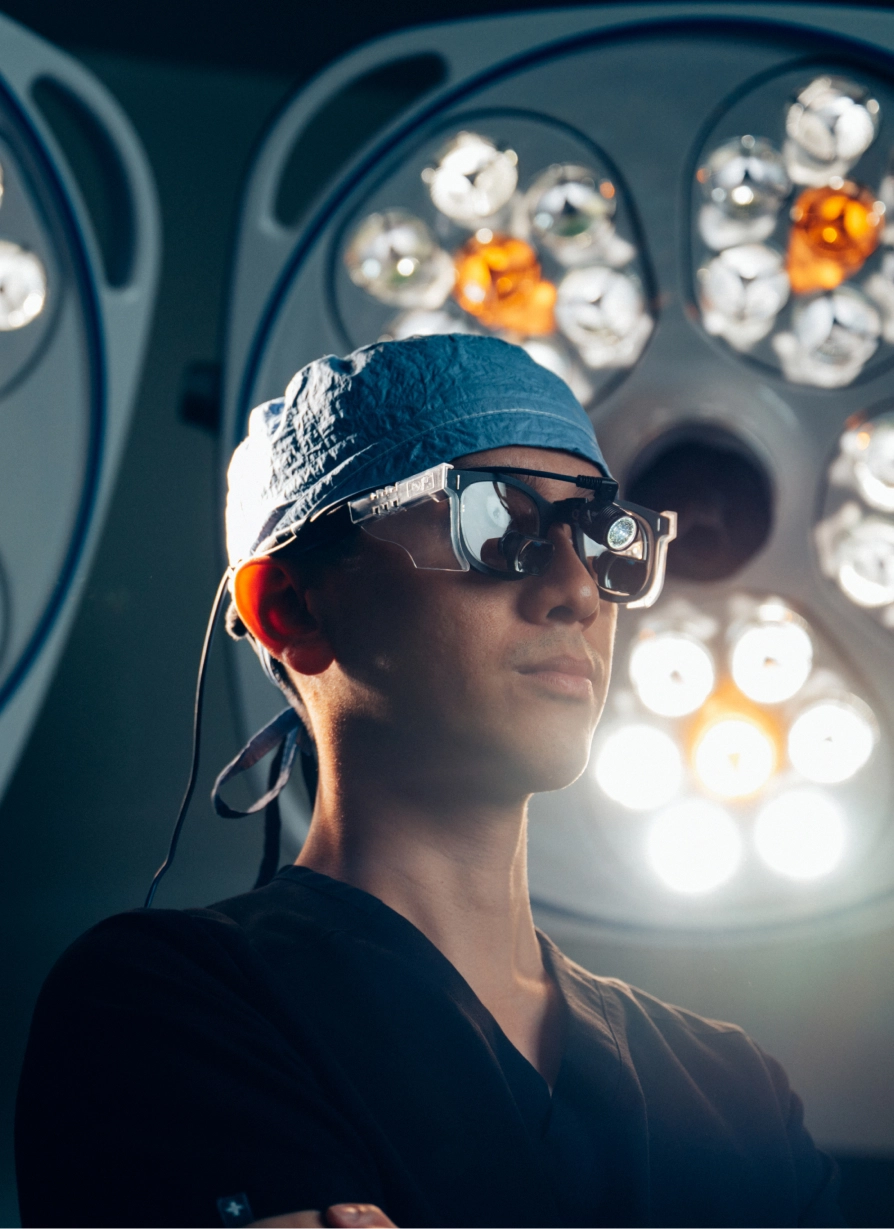

Young man wearing sunglasses and cap in front of illuminated carnival lights at dusk

Mohs Skin Cancer Reconstruction Recovery

Your Guide to Post-Mohs Skin Cancer Reconstruction Care

The size of the defect influences recovery, the reconstruction technique used, and the location of treatment. Swelling, bruising, mild discomfort, and temporary changes in appearance are common during the first stages of healing.

Healing occurs in phases. The wound closes first, but the refinement process continues for months as swelling subsides, scars mature, and tissues settle. Regular follow-up visits allow progress to be monitored and provide opportunities to address any concerns along the way.

How Much Does Mohs Skin Cancer Reconstruction Cost in Berkeley?

The cost of Mohs skin cancer reconstruction in Berkeley depends on several factors, including the location of the defect, the complexity of the repair, whether grafts or tissue flaps are needed, anesthesia requirements, and the overall surgical plan.

While Dr. Chou does not accept insurance, some patients may opt to inquire directly with their insurance plans about reimbursement for reconstructive procedures.

Why Choose Dr. Chou?

Dr. David W. Chou is a facial plastic and reconstructive surgeon and, prior to opening his practice, served as Assistant Professor of Facial Plastic and Reconstructive Surgery in the Department of Otolaryngology-Head and Neck Surgery at Emory University School of Medicine. He is trusted by his patients and by several prestigious organizations, reflecting his dedication to surgical excellence, ongoing educational involvement, and advancing scientific research. He is double board-certified by the American Board of Facial Plastic and Reconstructive Surgery (ABFPRS) and the American Board of Otolaryngology – Head and Neck Surgery (ABO-HNS) and an active member of the American Academy of Facial Plastic and Reconstructive Surgery (AAFPRS) and the American Academy of Otolaryngology–Head and Neck Surgery (AAO-HNS).

Patients in the East Bay and San Francisco area choose Dr. Chou for his expertise. Dr. Chou earned his medical degree from Thomas Jefferson University after graduating cum laude from Boston College. He completed residency training at Kaiser Permanente Northern California and fellowship training in Facial Plastic and Reconstructive Surgery at the prestigious Mount Sinai Hospital in New York City. In addition to caring for patients, he actively teaches medical trainees and has authored numerous research publications and book chapters in the field of facial surgery.

Mohs Skin Cancer Reconstruction FAQ’S