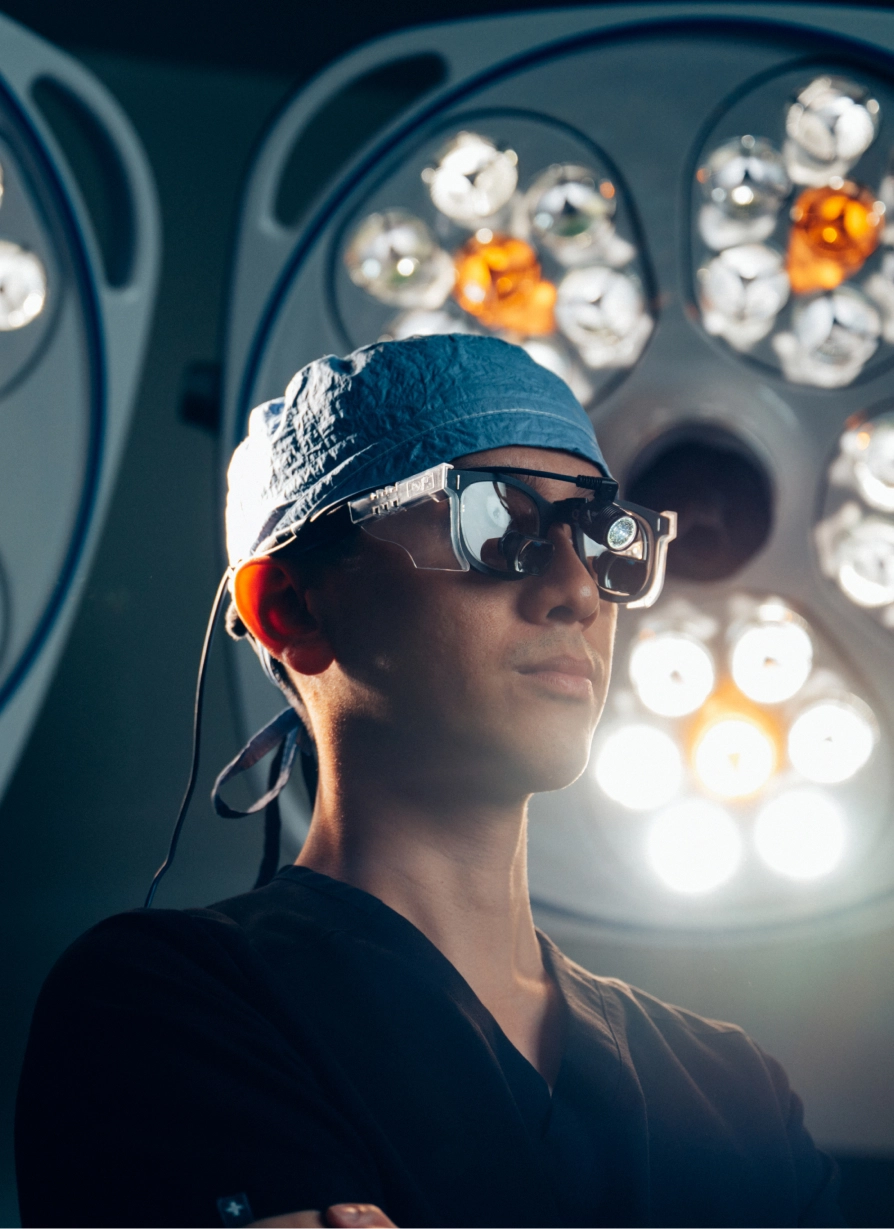
Upper Eyelid Surgery

Upper Eyelid Surgery In Berkeley, CA

Open, Refreshed-Looking Eyes

Expert Upper Eyelid Surgery
In Berkeley, CA

Small changes around the eyes can influence the entire face. As skin gradually loses elasticity, the upper eyelids may begin to fold, crease, or rest lower than they once did. For some people, these changes simply create a tired appearance. For others, excess skin becomes heavy enough to interfere with vision, makeup application, and everyday activities. That’s why upper eyelid surgery (blepharoplasty) was the top facial plastic surgery in 2024, with 120,000 performed in the United States, according to the American Society of Plastic Surgeons.

For patients seeking upper eyelid surgery in Berkeley, Redwood Facial Plastic Surgery offers treatment to those in Berkeley and the surrounding San Francisco Bay Area who want to refresh the eye area and reduce eyelid heaviness. Upper eyelid surgery is available at Redwood Facial Plastic Surgery for patients in the San Francisco area who seek a refreshed, more awake appearance while preserving the unique characteristics that make them look like themselves. Every treatment is customized to help each patient achieve a natural, youthful result. Whether the goal is to reduce heaviness, establish an eyelid crease, or restore a brighter expression, treatment is planned around each patient’s anatomy and long-term goals to create a more alert and rested appearance.

This page explains what upper eyelid surgery is, who makes a good candidate, how surgery and recovery work, when it may be combined with other procedures, what costs and risks to consider, and why patients in the Berkeley/San Francisco area choose Dr. Chou for natural-looking facial rejuvenation.

Woman with long dark hair in beige tank top posing outdoors against natural rock formation background

What is Upper Eyelid Surgery?

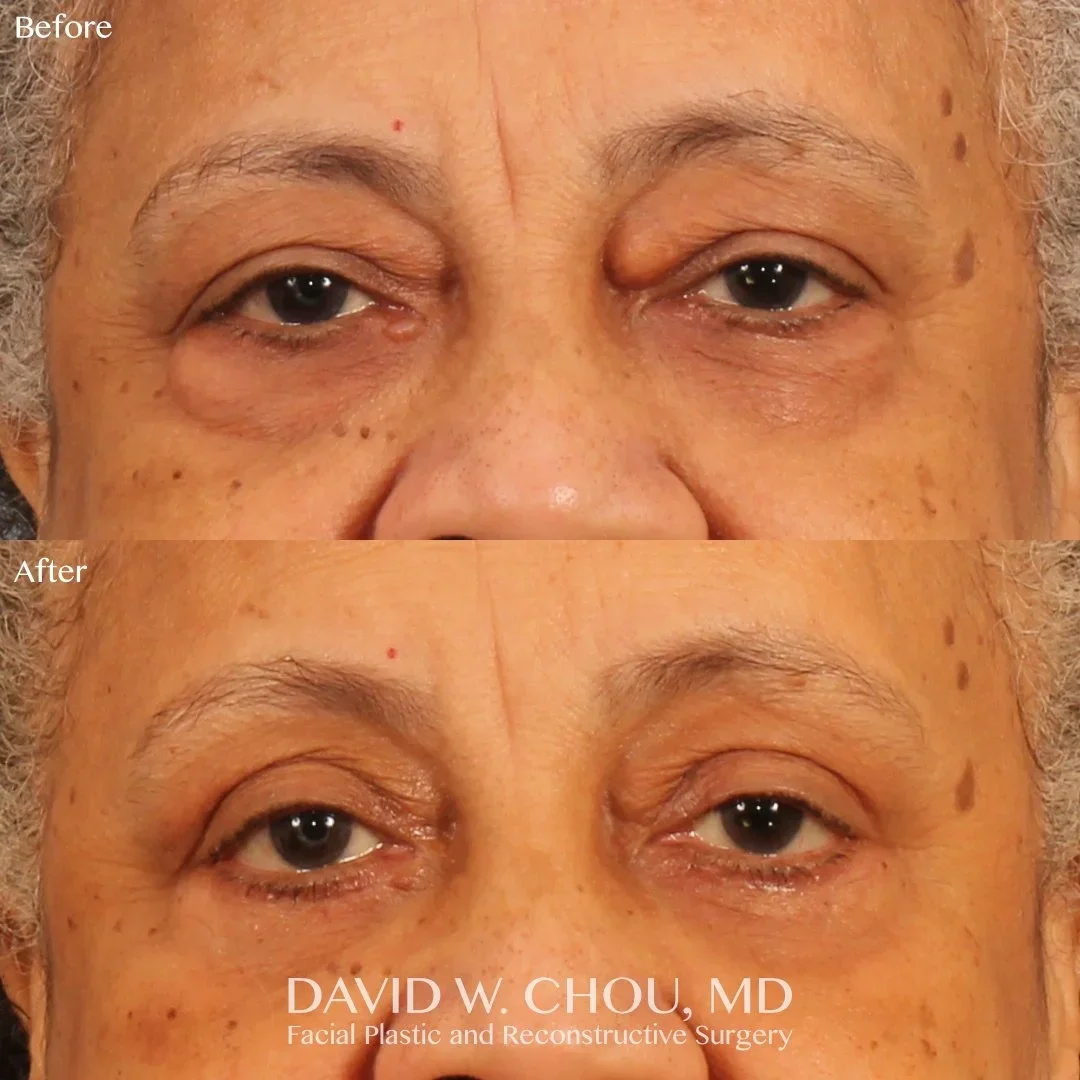
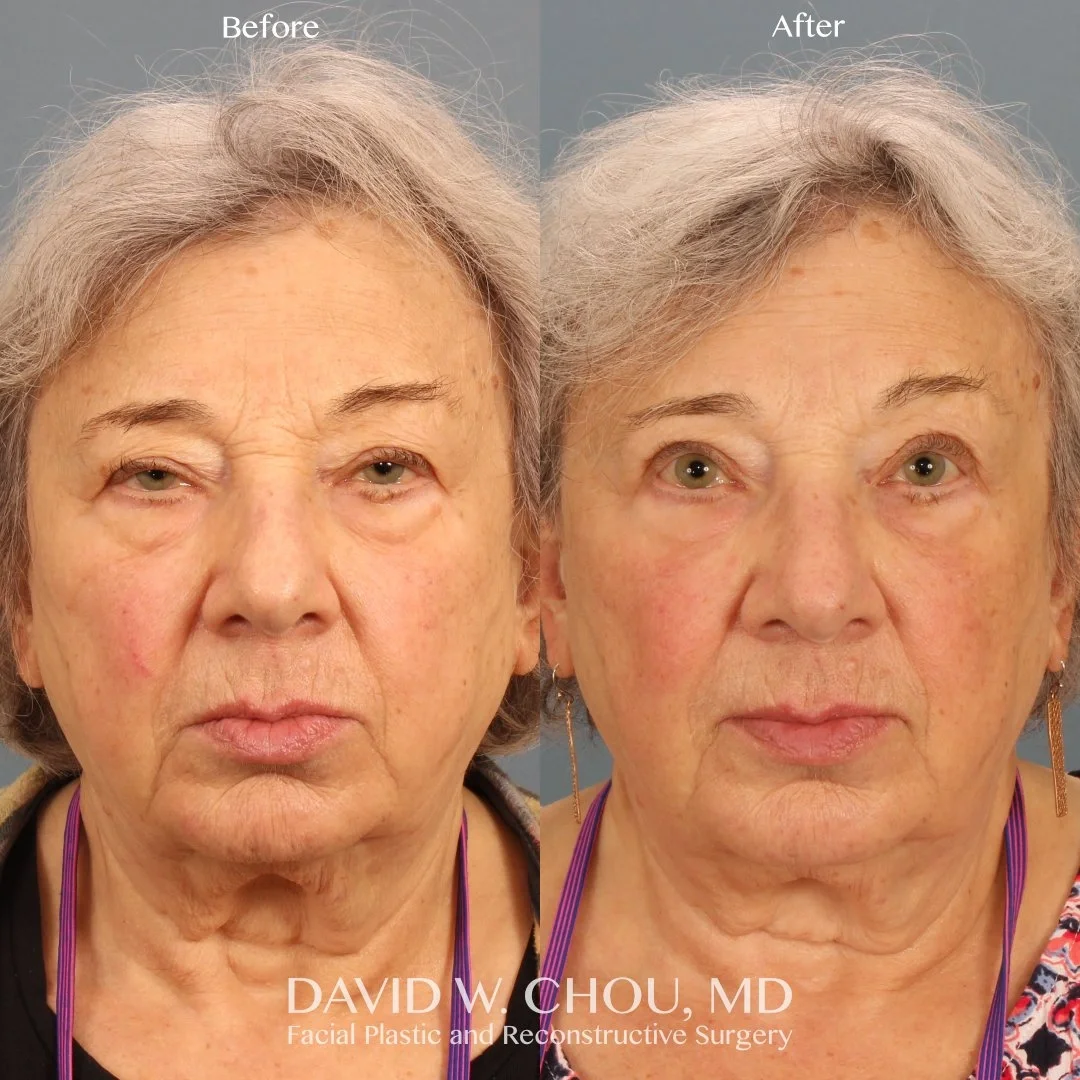
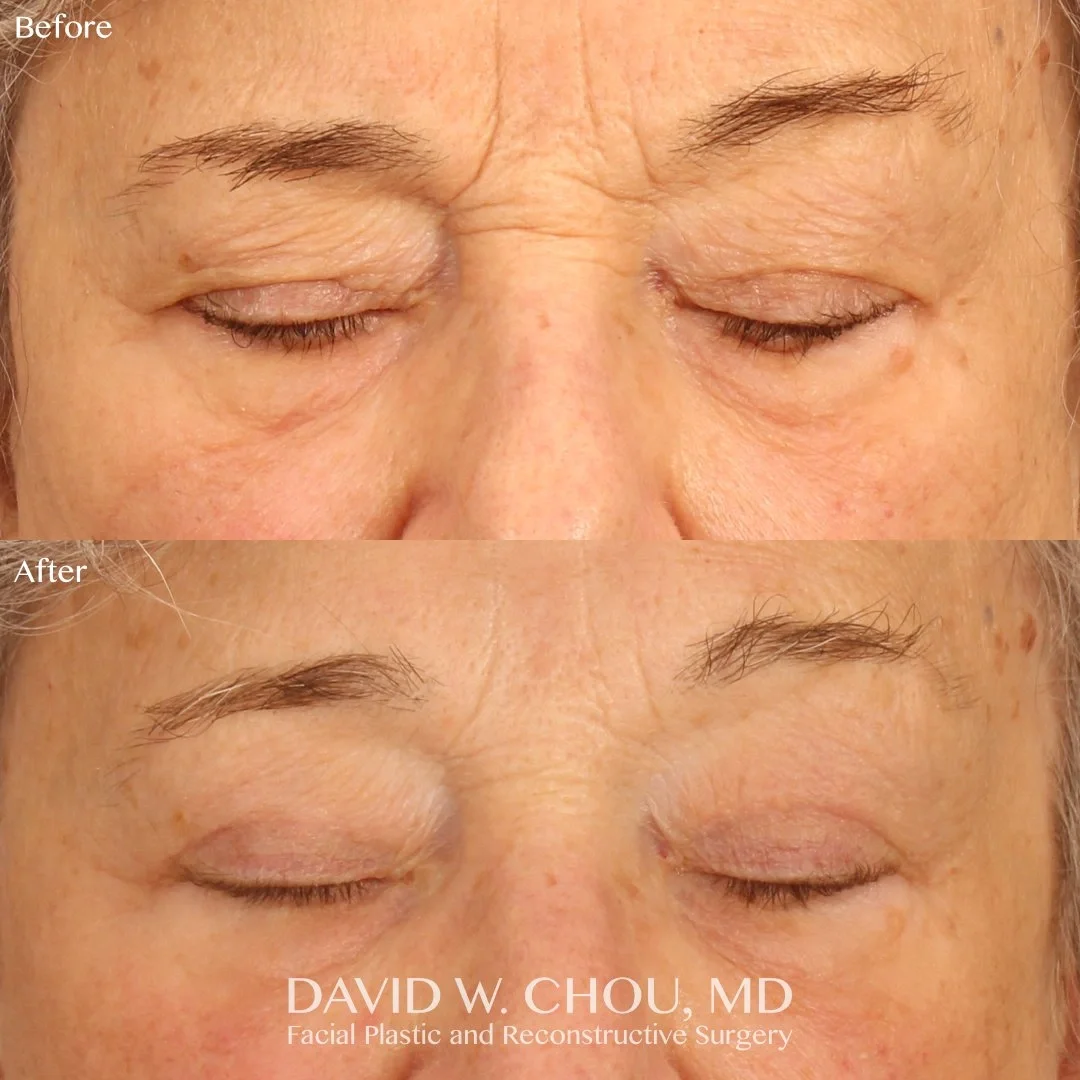
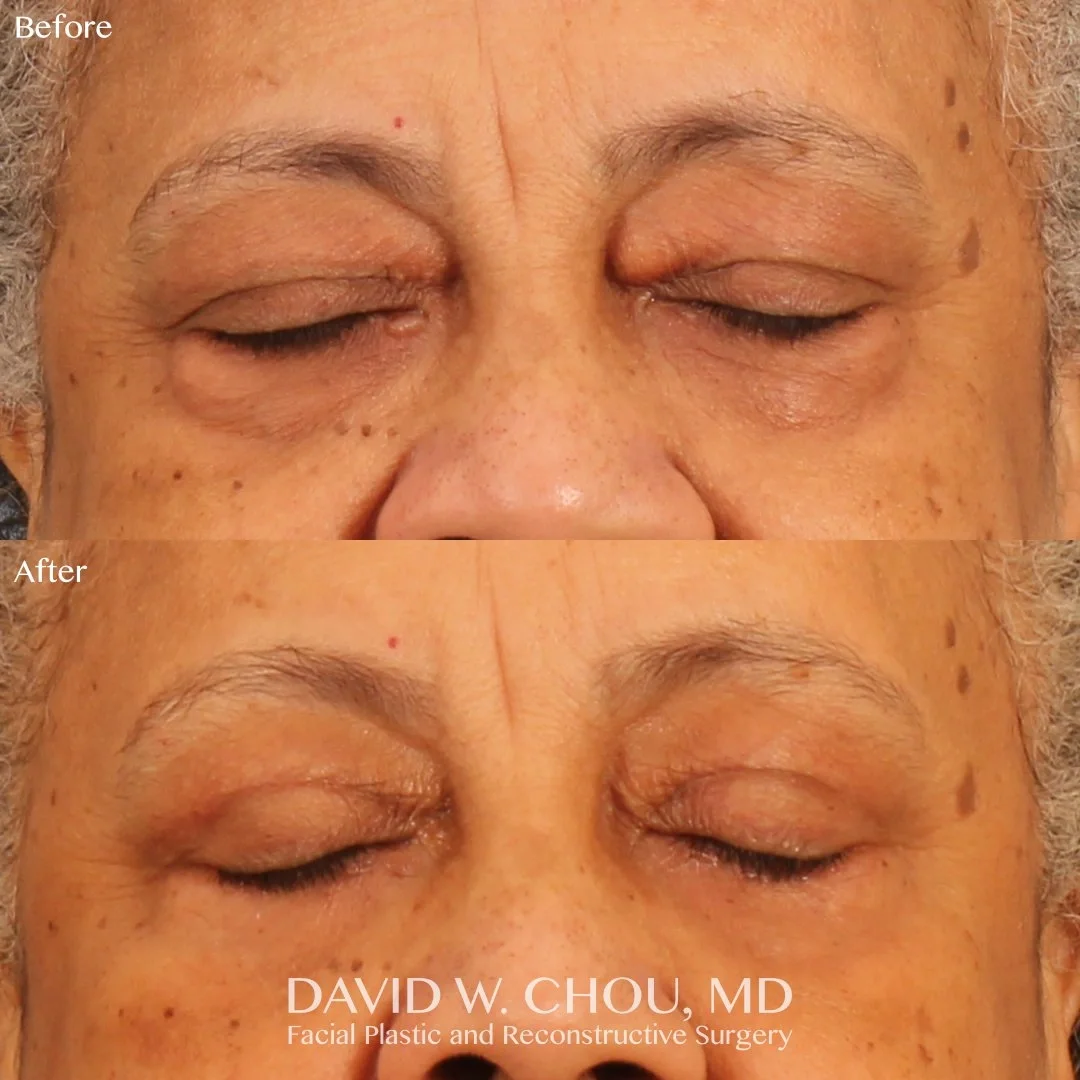
Upper eyelid surgery is a procedure that removes excess skin and occasionally muscle and fat from the upper eyelids that can make the eyes look heavy or tired. The procedure reduces heaviness, improves eyelid definition, and enhances the appearance of the eyes naturally without altering their character.

Although many patients pursue upper eyelid surgery for cosmetic reasons, the procedure may also improve vision if the upper eyelid droops or excess skin hangs over the eyelashes, obstructing the upper field of view.

Rustic brown wood grain texture with natural knots and weathered finish for flooring or paneling

What Sets Dr. Chou Apart as a Trusted Expert in Upper Eyelid Surgery in Berkeley?

  • Former Assistant Professor of Otolaryngology–Head and Neck Surgery at Emory University School of Medicine
  • Fellowship-trained in Facial Plastic and Reconstructive Surgery at the Icahn School of Medicine at Mount Sinai in New York City
  • Completed Head and Neck Surgery residency at Kaiser Permanente Northern California
  • Earned his medical degree from Thomas Jefferson University after graduating cum laude from Boston College
  • Board-Certified by the American Board of Otolaryngology–Head and Neck Surgery (ABO-HNS)
  • Board-Certified through the American Board of Facial Plastic and Reconstructive Surgery (ABFPRS)
  • Member of the American Academy of Facial Plastic and Reconstructive Surgery (AAFPRS)
  • Member of the American Academy of Otolaryngology–Head and Neck Surgery (AAO-HNS)
  • Fellowship training included advanced cosmetic and reconstructive eyelid surgery as part of comprehensive facial plastic surgery.
  • Active educator, researcher, and author of numerous peer-reviewed publications and book chapters in facial plastic surgery

Upper Eyelid Surgery Quick Facts

  • Surgery Time: 45 to 90 minutes
  • Price: ~$5,000–$9,000 (For an accurate cost, please ask during your consultation). 
  • Recovery: 1 to 2 weeks for most activities
  • Results: Improvements become noticeable as swelling subsides and continue refining over several months. Results often last many years.

Combining My Upper Eyelid Surgery with Other Procedures

The eyes rarely age in isolation. While excess upper eyelid skin may be the primary concern, changes in the brows, lower eyelids, or temples often contribute to an overall sense of heaviness and may benefit from additional procedures for a more cohesive appearance.

In some patients, not only is the skin of the upper eyelids loose, but the lid itself is droopy as well. This is known as ptosis. When this is the case, tightening the supporting structures of the eyelid itself, deep to the eyelid’s skin and fat, may be necessary to raise the eyelid. This exposes more of the pupil and iris, which can be helpful for vision and refreshed appearances.

What Are the Benefits of Upper Eyelid Surgery?

The upper eyelids frame nearly every facial expression. Removing excess skin can help you look younger without making you look different. Rather than creating a dramatically different appearance, upper blepharoplasty reveals the eyes more naturally while preserving facial character.

Benefits of upper eyelid surgery may include:

  • Reveal more of the natural upper eyelid
  • Reduce heaviness that contributes to a more alert appearance
  • Improve peripheral vision when excess skin obstructs sight
  • Create a smoother eyelid contour for makeup application
  • Refresh the appearance by softening wrinkles around the eyes while preserving natural facial expression
  • Produce long-lasting improvement with a single procedure

Who Are the Best Candidates for Upper Eyelid Surgery?

Many people assume they simply look “tired,” when the true cause is excess eyelid skin that has gradually accumulated over time. Others notice increasing difficulty applying makeup, a heaviness toward the end of the day, or changes in their upper field of vision. Upper eyelid surgery in the San Francisco area is for patients whose concerns extend beyond temporary fatigue and reflect structural changes to the eyelids themselves, and may be good for you if you:

  • Have excess skin on the upper eyelids
  • Feel your eyes appear tired or heavy even when well rested
  • Notice upper eyelid skin interfering with your vision
  • Have difficulty applying eye makeup because of loose skin
  • Are in good overall physical health
  • Desire natural-looking facial rejuvenation
Kitchen designer consulting with client about cabinetry selection in modern showroom

How to Begin Your Upper Eyelid Surgery Journey

Through a consultation, together we will understand why the eyelids appear heavy in the first place. For some patients in the Bay Area, including Berkeley and San Francisco, the problem is limited to excess skin. Others may have brow descent, fat prolapse, or changes in skin elasticity, while some concerns relate to underlying tissues that influence the final recommendation. Identifying the true source of the concern allows surgery to be tailored rather than standardized.

During your consultation, Dr. Chou performs a detailed facial evaluation, discusses your goals, and explains whether upper blepharoplasty alone or a combination of procedures will provide the most balanced outcome and help achieve natural results.

During your consultation, Dr. Chou may:

  • Evaluate upper eyelid skin, muscle, and fat
  • Assess eyebrow position and facial balance
  • Review your medical and ophthalmologic history
  • Discuss functional and cosmetic goals
  • Explain the surgical technique best suited to your anatomy
  • Develop a personalized treatment plan

5 Steps to Prepare for My Upper Eyelid Surgery with Dr. Chou

Thoughtful preparation can make your surgical experience smoother and contribute to a more comfortable recovery. Before surgery, Dr. Chou and his team will provide personalized instructions based on your medical history and treatment plan. Following these recommendations carefully helps create the best possible environment for healing.

To prepare for upper eyelid surgery:

  1. Complete any requested medical evaluations or laboratory testing.
  2. Stop smoking and avoid nicotine products well in advance of surgery.
  3. Temporarily discontinue blood-thinning medications or supplements only with your prescribing physician’s approval.
  4. Arrange transportation home and someone to stay with you immediately after surgery.
  5. Prepare your recovery area with cold compresses, prescribed medications, extra pillows, and easy-to-access necessities.

7 Tips for Recovery From Upper Eyelid Surgery

Healing is a gradual process, and small choices during recovery can make a meaningful difference. Giving your eyelids time to rest while following postoperative instructions carefully helps minimize swelling and supports the best long-term outcome.

For a smoother recovery, Dr. Chou recommends that you:

  1. Sleep with your head elevated for the first several nights.
  2. Apply cold compresses during the first 48 hours to reduce swelling.
  3. Avoid strenuous exercise, heavy lifting, and bending over until cleared.
  4. Keep the incision sites clean and follow all wound care instructions.
  5. Wear sunglasses outdoors to protect your healing eyelids from sunlight and wind.
  6. Avoid wearing contact lenses until instructed that it is safe to do so.
  7. Attend every scheduled follow-up appointment so that healing can be closely monitored.

What to Expect On the Day of Upper Eyelid Surgery

Your day starts with reviewing the treatment plan and answering any final questions. If you’re only having an upper blepharoplasty, it is most commonly performed awake in the office procedure room. Topical eye numbing drops and local anesthesia will be administered, and the procedure will begin. Incisions are hidden within the natural upper eyelid crease, allowing them to heal discreetly over time. Once excess skin and redundant tissue have been addressed, the incisions are meticulously closed, and you will be able to return home. Detailed postoperative instructions will cover incision care, swelling management, medications, sleeping position, activity restrictions, and follow-up appointments to support a smooth healing process.

Young man wearing sunglasses and cap in front of illuminated carnival lights at dusk

Upper Eyelid Surgery Recovery

Your Guide to Post-Upper Eyelid Surgery Care

Recovery after upper blepharoplasty is often easier than many patients anticipate. During the first several days, swelling, bruising, and mild tightness around the eyelids are expected. These effects gradually improve, making the refreshed appearance more noticeable as healing progresses.

Although many patients feel comfortable returning to social activities within one to two weeks, subtle healing continues beneath the surface for several months. For the first several weeks, the incision may be slightly pink, but over the next few months the scar fades into the natural eyelid crease. As swelling resolves and the incisions mature, the eyelids develop a softer, more natural appearance once the area is fully healed.

How Much Does Upper Eyelid Surgery Cost in Berkeley?

The cost of upper eyelid surgery in Berkeley varies based on the procedure’s complexity and whether additional facial procedures are performed at the same time. Dr. Chou will provide a personalized treatment plan, and his staff will go over a detailed cost estimate based on your goals and anatomy.

Why Choose Dr. Chou?

The eyelids are among the most expressive features of the face. Even subtle adjustments can influence how rested, alert, or approachable someone appears. Dr. David W. Chou approaches upper eyelid surgery with the understanding that successful results are measured not by how different a patient looks, but by how naturally refreshed they appear.

His fellowship training in Facial Plastic and Reconstructive Surgery, combined with extensive experience in cosmetic and reconstructive facial procedures, accounts for his specialized expertise and artistry in facial surgery. Patients throughout Berkeley and the greater San Francisco area appreciate his thoughtful surgical planning, meticulous technique, and commitment to preserving natural facial beauty.

Upper Eyelid Surgery FAQ’S

Sources

  • ASPS & Hollenbeck, S. (2024). 2024 Procedural Statistics release. In ASPS Procedural Statistics Release (pp. 3–5) [Report]. https://www.plasticsurgery.org/documents/news/statistics/2024/plastic-surgery-statistics-report-2024.pdf