


Facial Palsy/ Paralysis Treatment

Facial Palsy/ Paralysis Treatment In Berkeley, CA

Restore Facial Movement & Balance

Expert Facial Palsy/Paralysis Treatment In Berkeley, CA

Our faces communicate before we ever say a word. A smile, a blink, a raised eyebrow, or a subtle facial expression all help convey emotion and connect us with the people around us. When facial paralysis interrupts these natural movements, it can affect not only facial symmetry but also speech, eating, eye protection, and everyday confidence.

At Redwood Facial Plastic Surgery, facial palsy and facial paralysis treatments are available to patients throughout Berkeley, San Francisco, and the Bay Area seeking to restore movement, improve facial balance, and regain everyday function. Depending on the underlying cause and severity of paralysis, treatment could include BOTOX injections, facial suspension, selective myectomy, selective neurolysis, temporalis transfer, or other advanced facial reanimation techniques tailored to each patient’s needs.

Woman in white shirt smiling on beach at sunset with hand near face in natural light portrait

What is Facial Palsy/Paralysis Treatment?

Facial palsy and facial paralysis treatment encompasses a variety of surgical procedures that improve facial movement, restore facial balance, and address functional limitations resulting from facial nerve injury or dysfunction. Causes of facial paralysis range from Bell’s palsy to traumatic injury, tumors, congenital conditions, stroke, or complications following previous surgery.

There is no single operation that treats every patient. Some individuals have a complete loss of facial movement, while others regain movement but develop abnormal muscle contractions known as synkinesis. Since every presentation is unique, treatment is carefully selected to restore facial expression, improve symmetry, and help patients perform everyday activities more comfortably.

Rustic brown wood grain texture with natural knots and weathered finish for flooring or paneling

BOTOX and muscle relaxers can be very helpful for patients with facial synkinesis after Bell’s palsy. These injections target muscles that are too tight and spastic and allow the face to relax more and improve facial symmetry.

Who Are the Best Candidates for Facial Palsy/Paralysis Treatment?

Facial paralysis affects each individual differently, so treatment begins with understanding how the condition impacts daily life. For one patient, the greatest concern may be an inability to smile. For another, difficulty closing the eye or facial tightness may be the primary challenge. Successful treatment starts by identifying the problems that matter most to the individual rather than treating paralysis as a single condition.

San Francisco area candidates should be in good overall health, have realistic expectations, and understand that treatment recommendations depend on the underlying cause, duration, and severity of facial weakness.

You may be a candidate if you:

  • Have facial weakness or paralysis affecting one or both sides of the face
  • Experience synkinesis or unwanted facial muscle contractions
  • Have difficulty smiling, blinking, or controlling facial movement
  • Notice facial drooping that interferes with daily activities
  • Have recovered incompletely following Bell’s palsy, trauma, or facial nerve injury
  • Are seeking specialized facial reanimation or reconstructive care

What Are the Benefits of Facial Palsy/Paralysis Treatment?

Facial paralysis treatment is ultimately about restoring connection. While improved symmetry is often an important goal, many patients are equally motivated by the ability to blink comfortably, smile with greater confidence, or express emotion more naturally during everyday interactions.

Potential benefits of facial palsy and facial paralysis treatment include:

  • Improve facial symmetry at rest and during movement
  • Restore or enhance smiling ability
  • Reduce involuntary facial movements associated with synkinesis
  • Improve eye protection and blinking function when appropriate
  • Support more comfortable speaking, eating, and drinking
  • Increase confidence during personal, social, and professional interactions
Kitchen designer consulting with client about cabinetry selection in modern showroom

How to Begin Your Facial Palsy/Paralysis Treatment Journey

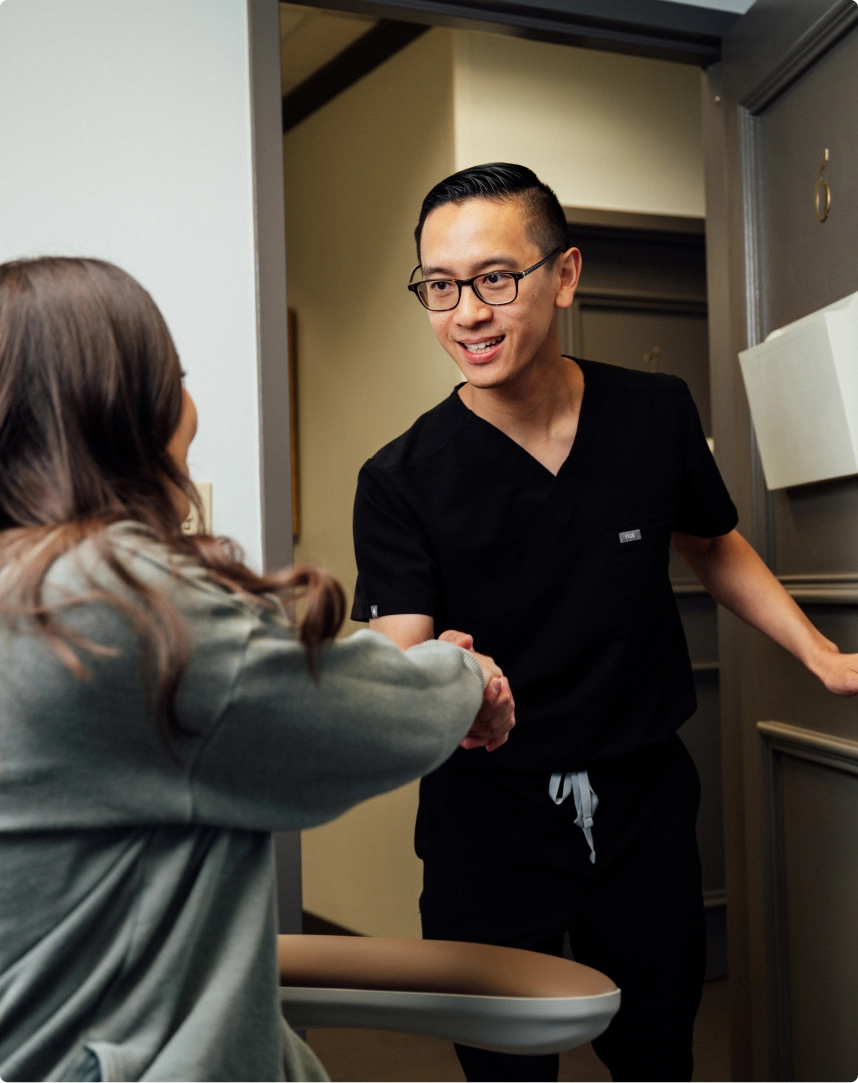
The consultation begins with listening. Understanding how facial paralysis affects your communication, comfort, and quality of life is just as important as evaluating facial movement itself. Every recommendation is built around the unique pattern of weakness, recovery, and functional limitations present at the time of evaluation.

A detailed facial examination here in the San Francisco Bay Area allows Dr. Chou to assess muscle strength, resting facial balance, eye closure, oral competence, and the quality of facial movement. These findings help determine whether BOTOX, facial suspension, selective myectomy, temporalis transfer, or another treatment approach is most appropriate.

During your consultation, Dr. Chou may:

  • Evaluate facial movement and resting symmetry
  • Assess eye closure, smiling ability, and oral function
  • Identify signs of synkinesis or abnormal muscle activity
  • Review previous treatments or imaging studies
  • Discuss surgical and nonsurgical treatment options
  • Develop a personalized facial reanimation plan

What to Expect on the Day of Facial Palsy/Paralysis Treatment Surgery

The details of surgery vary depending on the procedure being performed. Some operations focus on repositioning facial tissues, while others restore movement or reduce abnormal muscle activity. Before surgery begins, your individualized treatment plan will be reviewed, and any remaining questions will be answered.

Following the procedure, you will spend time in recovery before returning home with detailed postoperative instructions. Activity restrictions, medications, incision care, and follow-up appointments will be explained carefully to help support healing and maximize functional recovery.

Young man wearing sunglasses and cap in front of illuminated carnival lights at dusk

Combining My Facial Palsy

Facial paralysis often affects multiple aspects of facial function and appearance simultaneously. Pairing procedures together can provide a more comprehensive improvement in facial balance, movement, and comfort while reducing the need for multiple separate recoveries.

Brow Lift

Weakness of the forehead muscles may cause one eyebrow to sit noticeably lower than the other. A brow lift can restore improved eyebrow position and create greater upper facial symmetry while complementing facial reanimation procedures.

Eyelid Surgery

Incomplete eye closure is one of the most common concerns associated with facial paralysis. Eyelid procedures may help improve eye protection, reduce irritation, and support more comfortable blinking while enhancing facial balance.

Facelift

Long-standing facial paralysis often leads to soft tissue descent on the affected side of the face. A facelift may be combined with facial suspension or other reanimation procedures to reposition facial tissues and improve overall symmetry.

Facial Palsy/Paralysis Treatment Recovery

Your Guide to Post-Facial Palsy/Paralysis Treatment Care

Recovery depends on the specific procedure performed and the goals of treatment. Swelling, bruising, temporary numbness, and mild discomfort are expected during the initial healing period. Patients should notice gradual improvement as swelling subsides and tissues begin to settle.

For procedures that restore movement, recovery continues beyond physical healing. Facial rehabilitation and muscle retraining often play an important role in helping patients develop coordinated facial movement over time. Improvement may continue for several months as both healing and neuromuscular adaptation progress.

How Much Does Facial Palsy/Paralysis Treatment Cost in Berkeley and San Francisco?

The cost of facial palsy/paralysis treatment in Berkeley and San Francisco varies widely depending on the procedures performed, the complexity of the condition, anesthesia requirements, facility fees, and whether multiple surgeries or staged treatment is recommended. Following an in-depth evaluation here in Berkeley, Dr. Chou will develop a personalized treatment plan, and his staff will provide a detailed cost estimate.

Why Choose Dr. Chou?

Facial paralysis surgery requires highly specialized training that extends beyond traditional cosmetic facial procedures. Dr. David W. Chou completed advanced fellowship training in Facial Plastic and Reconstructive Surgery at Mount Sinai Hospital in New York City, where he developed expertise in facial paralysis surgery, facial reanimation, revision rhinoplasty, and complex facial reconstruction. He also served as faculty at the Emory University Facial Nerve Center, treating some of the most complex facial palsy cases during his time in Atlanta.

As a double Board-certified facial plastic and reconstructive surgeon and active researcher, Dr. Chou brings together academic expertise with compassionate, individualized care. Patients throughout Berkeley and the greater San Francisco area trust him for thoughtful surgical planning, modern reconstructive techniques, and his talent for restoring both facial function and natural expression.

Facial Palsy/ Paralysis Treatment FAQ’S